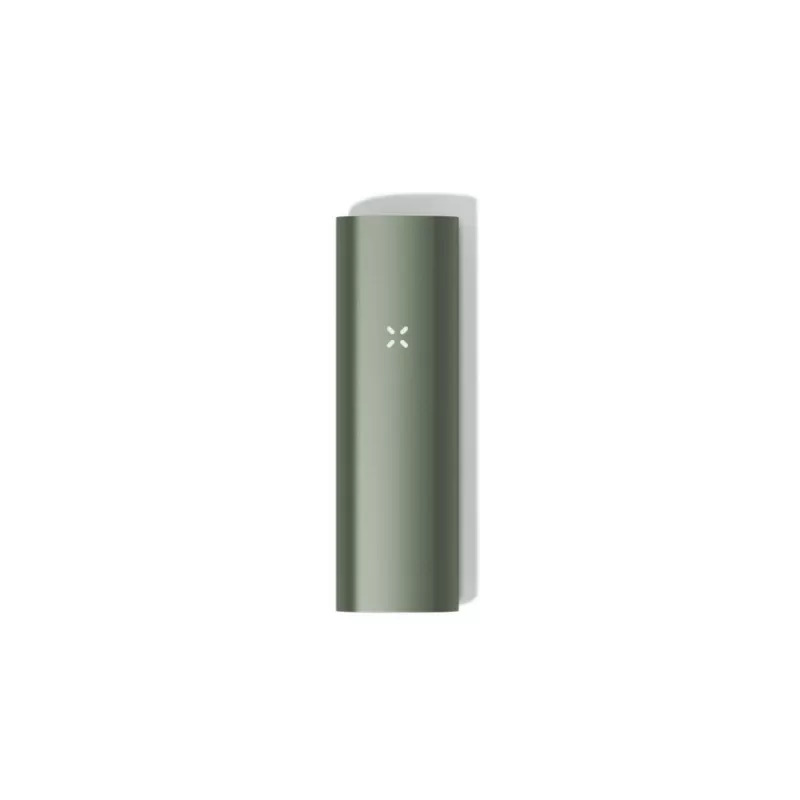
Description
PAX 3 SYDNEY VAPORIZERS NO LONGER IMPORTS OR SELLS THIS VAPORIZER If this vaporizer has been legally imported into Australia through a licensed business; using permits issued by the ODC, then this vaporizer is an: ‘Unapproved Therapeutic Vaping Device’ Unapproved Therapeutic Cannabis Vaping Devices The Therapeutic Goods Administration (TGA) has established a regulatory pathway that permits an Australian-licensed entity to import certain cannabis vaporizers into Australia. Under this pathway, the licensed importer must execute a declaration confirming that the device complies with the Australian Essential Principles Guidelines (AEPG) applicable to medical devices and submit this declaration to the TGA. Where the TGA is satisfied that the declaration demonstrates compliance, it will issue an item number specific to that vaporizer. The importer must then apply to the Office of Drug Control (ODC) for an import permit, referencing the issued item number. Upon approval, the ODC will grant a permit authorising the importation of the device, which is valid for a period of 12 months. Approximately one third of the AEPG requirements relate to product labelling and instructions for use. Accordingly, the vaporizer and its accompanying user manual must clearly and unequivocally state that the device is for use only with medicinal cannabis flower . Vaporizers described or labelled as “dry herb vaporizers,” or as being intended for aromatherapy or non-medicinal purposes, do not meet the AEPG requirements and are therefore unlawful to import, distribute, or supply in a retail or pharmacy setting within Australia. Only devices expressly intended for use with medicinal cannabis flower are capable of complying with the Australian Essential Principles. Once imported into Australia by a licensed entity pursuant to an ODC permit, vaporizers that are not included on the Australian Register of Therapeutic Goods (ARTG) are classified as Unapproved Therapeutic Vaping Devices (UTVDs) . The sole lawful mechanism by which a UTVD may be supplied to a patient in Australia is pursuant to a Special Access Scheme Category B (SAS-B) approval issued by the TGA. All UTVDs that have been lawfully imported must remain secured within the licensed importer’s approved warehouse until a valid SAS-B approval has been granted for the specific device. Licensed importers are required to submit six-monthly reports to the ODC detailing the location of all UTVD stock. Where a device is not held within the importer’s secure warehouse, the importer must hold a corresponding SAS-B approval authorising the supply of that device. Any licensed importer who knowingly contravenes these regulatory requirements may be subject to severe criminal penalties, including fines of up to AUD $1,000,000 and/or imprisonment for a term of up to seven years. SAS-B Approvals for Unapproved Therapeutic Vaping Devices To obtain a SAS-B approval for an Unapproved Therapeutic Vaping Device, a patient must request that an Authorised Prescriber submit an application to the TGA for that specific device and for that individual patient. The SAS-B application must include a clear clinical justification demonstrating why the patient is unable to use a vaporizer that is currently registered on the ARTG, such as the Mighty+ MEDIC or the Volcano MEDIC 2. The TGA has expressly stated that SAS-B approvals will only be granted where there is sufficient clinical evidence supporting the patient’s inability to use an ARTG-registered device. The TGA has also reiterated to importers that all UTVDs, once legally imported, must remain within the licensed importer’s secure warehouse unless and until a SAS-B approval has been issued permitting their supply. The PAX 3 is the latest in the famous line from PAX (formerly known as Ploom). While the world was enjoying the charm of the original PAX and PAX 2, their engineers were in the lab improving on a design that was critically acclaimed already. The result is a device that is head and shoulders above many similarly priced portable vaporizers on the market today. As with any good sequel, it keeps the aspects from the original that everyone loves. However, several design tweaks will satisfy new and old fans, alike. Third Time’s the Charm If you know anything about portable vaporizers, you know about the PAX and PAX 2. The third iteration has all the best aspects of its predecessors. The already popular design is mostly unchanged; its sleek, uniform outer shell still inspires awe in all those that see it. With a smooth, metallic chassis, this vaporizer looks like something that would come out of Silicon Valley. It is no accident, the founders of the company are Stanford trained engineers that have brought their exceptional skills to this new device. Those who prize simplicity and ease-of-use will be right at home with its minimalist ethos. All the great features added over the years are still included, like: Lip-sensing Heat Up Technology Silent Operation Easy-to-clean Inner Components High-Quality Vapor Haptic Feedback The Best Gets Better However, for all of the things that the PAX 2 got right, the elite designers in their research department have decided to improve upon some of those aspects for the PAX 3. The first difference you might notice is the new exterior materials. The PAX 2 had a great brushed aluminum design that was durable and beautiful. The PAX 3 took the “premium” feel of the aluminum and upped the ante. Now the outside has a smooth, shiny finish that reflects light brilliantly. Long-time users will notice the apparent technical improvement immediately: the heat up time has improved dramatically. The PAX 3 can reach vaporization heat levels in 15-20 seconds. Not only is that a 3x performance increase over the PAX 2, but it is also an advantage over many comparable vaporizers. Dual-Use Functionality If there was one complaint you could have about the PAX 2, it was that it only could vaporize dry herbs. In recent times, ho